Mission Hills Overseeding Season: A Homeowner's Guide
October 16, 2025
October 16, 2025
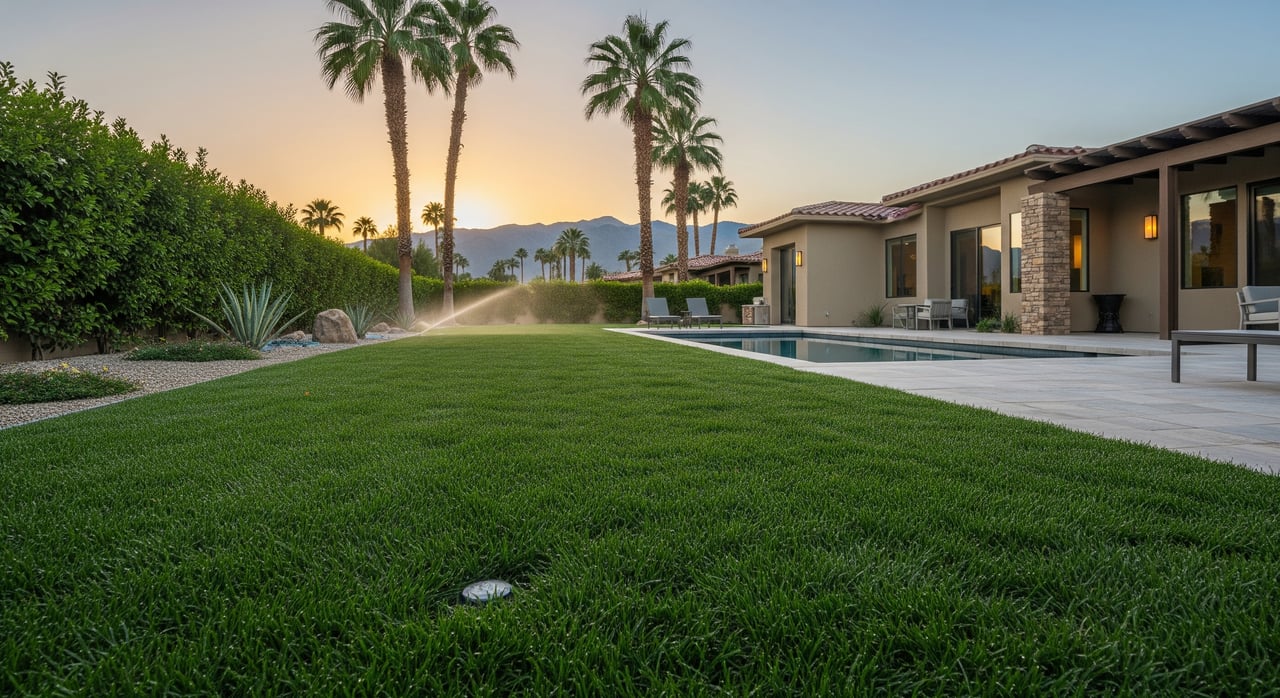
Do you love the look of a winter‑green lawn at Mission Hills Country Club but wonder what it really takes to get there? You are not alone. Overseeding in Rancho Mirage looks simple on the surface, yet water rules, timing, and costs can surprise homeowners. In this guide, you will learn when to seed, how much water to plan for, what your HOA may require, and smart alternatives that fit our desert climate. Let’s dive in.
Local water agencies in the Coachella Valley discourage traditional overseeding because it uses a lot of water. If you still choose to overseed, follow efficient practices and obey watering rules to avoid waste and potential penalties. You can review local guidance in the Coachella Valley Water District’s overseeding resources.
California’s AB1572 phases in a ban on using potable water for “non‑functional turf” at many commercial, institutional, and some HOA common areas. While private lawns are treated differently, HOA common spaces may be affected as agencies update their rules. Get the statewide overview from the State Water Resources Control Board and confirm your HOA’s plan with management. CVWD also posts non‑functional turf guidance for affected properties.
Rancho Mirage sits in a hot‑desert climate. For best results, aim to seed when nights are cooler and bermudagrass growth slows. Local outreach recommends a mid‑October to mid‑November window for our area. See the regional tips from CV Water Counts.
Annual ryegrass is the most common choice for winter color in the Coachella Valley. It germinates fast and typically fades as bermudagrass wakes up in spring. Perennial ryegrass can look denser but may compete longer in spring. UC IPM outlines both options in its turfgrass species overview.
For annual ryegrass, many homeowner guides use about 1.0 to 1.5 pounds per 100 square feet. Always check the seed bag’s directions and measure your lawn for accuracy. See a practical overview of rates in this ryegrass seeding explainer.
During the first 1 to 2 weeks, keep the topsoil moist with short, frequent cycles each day. Once seedlings root, taper to fewer, deeper watering cycles. UC provides a clear stepwise approach in its overseeding guide. Expect higher water use during establishment than if you skipped overseeding.
Mow once the ryegrass reaches the height on your seed label. After the second mowing, apply nitrogen to support winter growth, and then maintain regular mowing through the season. In spring, lower the mowing height to help bermudagrass re‑emerge.
Overseeding is water‑intensive at the start. Regional outreach estimates that skipping overseeding can save more than 8,000 gallons per 1,000 square feet over the season. Review local perspective from CV Water Counts, then check your rate tier to budget for the extra water.
Golf course turf is typically considered functional and is often managed differently from residential lawns. Some courses also irrigate with nonpotable supplies. For context on regional infrastructure, see CVWD’s nonpotable pipeline projects. For your property, confirm HOA rules and whether any common turf areas fall under AB1572‑related restrictions using CVWD’s non‑functional turf page.
As temperatures rise in late spring, gradually lower the ryegrass height to thin it. Avoid broad herbicide use that could injure bermudagrass. If you used preemergent products, confirm their residual timelines with UC’s herbicide table.
A water‑smart overseed can look great and fit our desert realities if you plan ahead. If you decide to skip overseeding this year, you can still keep your yard tidy, adjust irrigation, and consider long‑term landscape upgrades that boost curb appeal.
Ready to align your landscape plans with your next move? If you are thinking about buying or selling in Mission Hills Country Club or anywhere in Rancho Mirage, connect with Andrew Shouse for local guidance that helps your home shine in every season.
Stay up to date on the latest real estate trends.