Thinking about a place in Palm Springs you can enjoy part of the year and rent when you are away? You are not alone. The city’s sunshine, architecture, and events make it a favorite for seasonal living and short-term rentals. The key is buying a home that fits your lifestyle and meets the city’s vacation rental rules. In this guide, you will learn how permitting works, what taxes apply, how HOAs and insurance factor in, and the steps to buy smart and operate responsibly. Let’s dive in.
Start with your use and finance plan
Before you shop, get clear on how you will use the home and how you will finance it. Your answers shape everything from loan options to tax treatment and permit strategy.
Personal use vs. rental days
If you plan to both enjoy the home and rent it, learn the IRS vacation-home rules. The personal-use test in IRS Publication 527 explains how days are allocated and how that affects deductions and losses. Track your personal days and rental days carefully and speak with a local CPA.
Second home vs. investment loan
Lenders treat “second homes” and “investment properties” differently. Projected short-term rental income usually cannot be used to qualify for a second-home loan, and frequent short-term renting or certain management arrangements may push a loan into investment classification, which can mean higher rates and larger down payments. Review your intended use with your lender and consult Fannie Mae’s occupancy guidance early.
Palm Springs STR rules at a glance
Palm Springs allows vacation rentals and homesharing as secondary uses of residential property. The rules are clear, and enforcement is active. You must understand them before you buy.
- You need a city Vacation Rental Registration Certificate (or Junior/Homeshare) before you advertise or host stays of 28 days or less. Operating without one can trigger heavy fines and permanent ineligibility. See the city’s Vacation Rental Registration application packet for requirements.
- The city sets contract caps per permit type and enforces a neighborhood density limit. Verify availability for the specific parcel before you write an offer.
Permit types and booking caps
Palm Springs issues three main certificates, each with limits on contracts per year. The municipal code defines each booking of 28 days or less as a contract.
- Vacation Rental Registration Certificate (full permit): new permits typically allow a maximum of 26 contracts per calendar year.
- Junior Vacation Rental Certificate: up to 6 contracts per year.
- Homeshare Certificate: separate rules apply when the owner is on-site.
Review the operative caps and definitions in the city code at eCode360, Chapter 5.25, then confirm current limits with the City before you rely on them.
Neighborhood cap and availability
Palm Springs will not issue additional full Vacation Rental certificates in an Organized Neighborhood if the vacation-rental percentage is at or above 20 percent. If a neighborhood is at the cap, you may be placed on a waitlist. Check the city’s Vacation Rental Neighborhood Percentage page to see if new full permits are being issued for the area you are targeting. Junior certificates do not count toward the 20 percent calculation.
Which properties qualify
Vacation rentals and homesharing are allowed only as secondary uses of residential property, typically single-family homes. Multi-unit apartments are excluded from vacation rental permitting. The city’s Realtor FAQ summarizes qualifying uses and key rules. Review it here: Palm Springs Vacation Rental Ordinance – Realtor FAQ.
Taxes you must collect and file
Short-term rentals in Palm Springs are subject to local lodging taxes and assessments. Even when you hire a manager, you remain responsible for compliance.
- Transient Occupancy Tax (TOT) for vacation rentals is 11.5 percent. You must register and file monthly returns, including zero-revenue months. Learn more on the city’s Transient Occupancy Tax page.
- The Greater Palm Springs Tourism Business Improvement District (TBID) generally adds a 1 percent assessment to vacation rentals. See the TBID FAQs for how the assessment applies.
Application steps and fees
Palm Springs uses an online system for new applications and renewals. Expect to assemble documents and complete a safety inspection before approval.
- Application: Start with the city’s Vacation Rental Registration application packet. You will provide a file-stamped grant deed, proof of required liability insurance, local contact information, and any HOA authorization. The city will schedule a safety inspection.
- Fees: Representative application fees include Full Vacation Rental: $1,072, Junior Vacation Rental: $642, Homeshare: $268, and a one-time TOT registration fee of $25. Confirm the live fee schedule at the time you apply.
- Pre-stay filings: Before each occupancy, you must submit a contract summary to the city. You must also display your certificate number and maximum occupancy on every advertisement.
Regulations and fees change, so verify current requirements with the City of Palm Springs before you act.
Operating rules that affect your home search
The ordinance sets rules that will shape which homes are a fit and how you manage them.
Occupancy, parking, and quiet hours
Occupancy is calculated by formula, often two adults per bedroom with typical caps for adults, plus daytime visitor limits. Parking is commonly one car per bedroom. No outside amplified music is allowed. Review details in the city’s Realtor FAQ and confirm how your target property’s bedroom count is recorded with the city and assessor.
Local contact and response times
You must list a local contact who can answer the phone within 15 minutes and respond in person within 30 minutes to complaints. This is enforced through a 24/7 hotline. If you plan to self-manage from out of town, you will still need a local contact with coverage.
Advertising and pre-stay filings
Every listing must display the city-issued certificate number and maximum guest count. You must also submit a stay contract summary to the city before each occupancy. Missing or false information can trigger fines.
Enforcement and penalties
Penalties escalate quickly. Examples include fines for first and second violations, suspension for a third violation within 12 months, and large fines for operating without a certificate, with possible permanent ineligibility. Late or missing tax filings and contract summaries also incur penalties. The city outlines enforcement in the Realtor FAQ and application packet.
HOA, insurance, and inspections
These private and practical factors are just as important as city rules.
HOA and CC&Rs
If the property is in an HOA, the city often requires a letter from the association confirming the short-term rental does not violate CC&Rs. Some HOAs limit or ban short-term rentals, or set minimum rental periods. Ask for the full resale package and any rental amendments, and review with counsel. For a broader look at how associations manage rentals, see the Community Associations Institute’s perspective here: CAI on rental restrictions.
Insurance
The city requires proof of at least $500,000 in liability coverage per occurrence that covers short-term rental use. Many standard homeowner policies exclude this exposure. You may need an STR endorsement, a landlord policy, or umbrella coverage. Get quotes before you remove contingencies and make sure the policy meets city requirements as outlined in the application packet.
Safety inspections and renewal
Expect safety, building, and fire documentation and an inspection as part of initial certification and renewal. Budget time and funds for any required upgrades.
Neighborhoods, seasonality, and features renters want
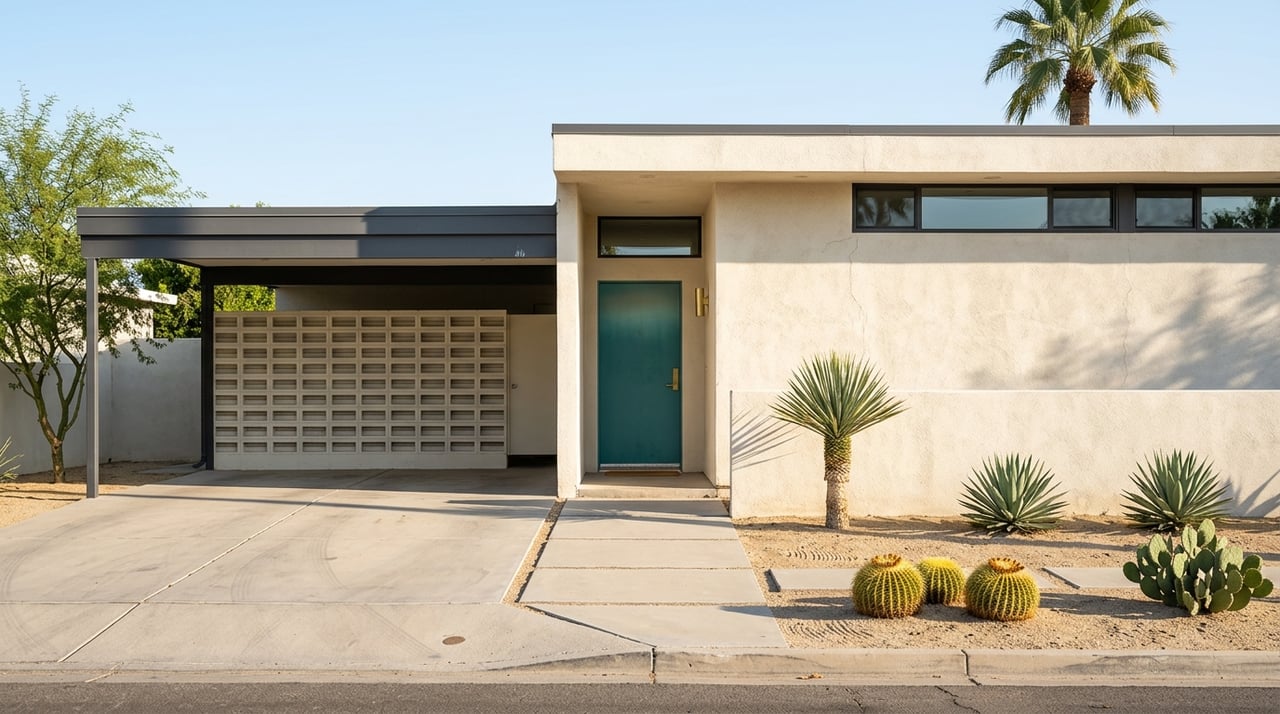
Palm Springs has distinct neighborhoods with strong appeal for seasonal owners and guests, including historic mid-century districts near downtown and areas known for resort-style outdoor living. When you plan to rent occasionally, location and amenities matter.
- Seasonality: Demand surges during signature events and the winter season. Map your personal-use weeks against high-demand periods to set realistic revenue expectations.
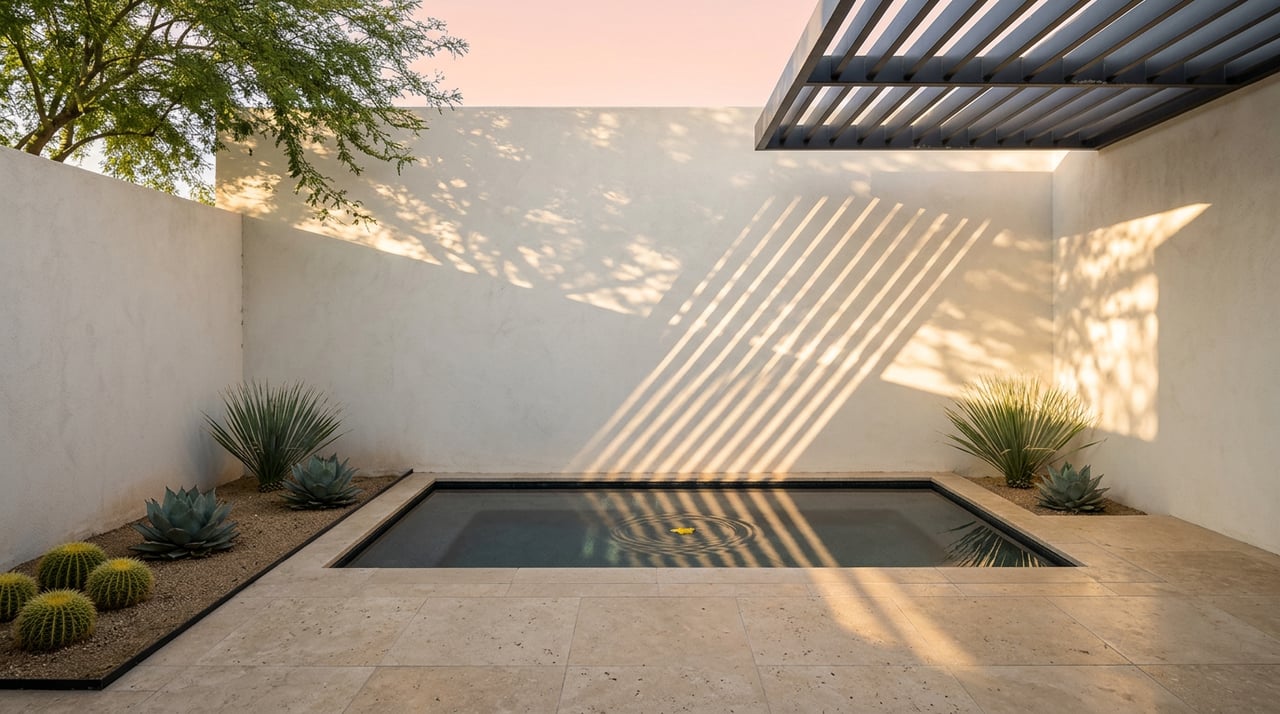
- Features that book well: Private pool with outdoor entertaining space, updated HVAC, modern kitchens and baths, high-speed internet, off-street parking, and photo-ready staging that highlights desert-modern style. Proximity to dining, shopping, and architecture tours helps.
Budget and management
Short-term rentals are hands-on. Decide whether you will self-manage with a strong local contact, or hire a professional manager.
- Management fees: Industry overviews show a wide range, from around 10 percent for limited-service marketing to 25–35 percent for full-service operators. For a breakdown of typical models, review this management fee overview.
- What a manager should handle: Posting your certificate number on listings, TOT/TBID registration and monthly filings, pre-stay contract summaries, 24/7 guest support and local response, cleaning and linen, preventative maintenance, and clear owner statements. Ask for an itemized services list and sample reports.
- Operating costs: Budget for cleaning, pool service, utilities, yard care, trash service upgrades, routine maintenance, platform fees, and replenishment of linens and supplies.
Build your local team
A strong team keeps you compliant and protects your time.
- Real estate agent with Palm Springs STR experience to confirm certificate history, neighborhood cap status, and property fit.
- Property manager with city compliance expertise and a 24/7 local response plan.
- CPA who understands vacation-home rules, California filing, and depreciation.
- Real estate or HOA attorney for CC&R review and ownership structure. Some ownership forms are not permitted for certificate holders, so confirm early.
- Insurance broker who can place STR-ready coverage and umbrella policies.
Buyer action checklist
Use this quick checklist to move with confidence.
Before you make an offer
- Check the neighborhood’s vacation-rental percentage and whether full permits are available on the city’s Vacation Rental Neighborhood Percentage page.
- Ask the listing agent if the property has an existing certificate and request documentation if available.
- Confirm your intended use with your lender and discuss second-home vs. investment classification using Fannie Mae guidance.
During due diligence
- Order and review the HOA resale package and CC&Rs for rental rules and approvals.
- Obtain quotes for required liability insurance and any needed endorsements.
- Review the city’s Vacation Rental Registration application packet to confirm document needs and inspection requirements.
- Model your operating budget, including management, cleaning, utilities, and reserves.
- With your CPA, apply the personal-use test from IRS Publication 527 to your plan and confirm state filing needs.
After closing
- Register for your city certificate and complete the safety inspection.
- Obtain your TOT account and learn monthly filing on the city TOT page. Confirm how the 1 percent TBID applies using the TBID FAQs.
- Post the certificate number and maximum occupancy on all listings and inside the home, along with the Good Neighbor brochure.
- Set your local contact plan and response coverage. Align your house rules with city requirements.
Buying a Palm Springs home for seasonal use and occasional rentals can be a great fit when you pair the right property with the city’s clear rules. With a smart plan, verified permit path, and a reliable local team, you can enjoy the desert lifestyle and host responsibly.
If you want neighborhood-level guidance, help verifying certificate availability, and a smooth buying process, connect with Andrew Shouse. Schedule Your Free Market Consultation and get a local plan tailored to your goals.
FAQs
What are the main Palm Springs STR permits?
- Palm Springs offers a Full Vacation Rental Registration Certificate, a Junior Vacation Rental Certificate, and a Homeshare Certificate, each with different annual contract limits and conditions. See the application packet for details.
How many bookings can a new full permit host each year?
- New full-permit holders are generally limited to 26 contracts per calendar year, while Junior permits allow 6 per year; confirm current caps in the city code and with the City.
What is the neighborhood cap for Palm Springs vacation rentals?
- The City will not issue additional full Vacation Rental certificates in an Organized Neighborhood at or above 20 percent vacation-rental density; check availability on the Neighborhood Percentage page.
What taxes apply to Palm Springs short-term rentals?
- Most STRs collect 11.5 percent Transient Occupancy Tax and a 1 percent TBID assessment; operators must register and file monthly returns as shown on the city TOT page and TBID FAQs.
Can my HOA restrict short-term rentals even if the city allows them?
- Yes. Many HOAs adopt rental restrictions, and the city often requires HOA confirmation that the use does not violate CC&Rs; review the HOA package and consult counsel, and see CAI’s overview of association approaches here.
Do I need special insurance for a Palm Springs vacation rental?
- Yes. The City requires at least $500,000 in liability coverage per occurrence that covers short-term rental use; standard homeowner policies may exclude STR activity, so obtain proper endorsements or landlord/umbrella coverage per the application packet.
How does personal use affect my taxes on a vacation home?
- The IRS personal-use test determines how expenses and losses are treated; review the rules in IRS Publication 527 and consult a CPA experienced with vacation rentals.
Can I use projected Airbnb income to qualify for a second-home mortgage?
- Typically no. Second-home loans usually do not count projected STR income for qualification, and frequent rentals can push the loan into investment classification; see Fannie Mae guidance and discuss with your lender.