Guide to La Quinta Architecture Styles in Resort Communities
April 23, 2026
April 23, 2026
If you are drawn to La Quinta for its resort lifestyle, the architecture is a big part of the appeal. The right home here is not just about square footage or finishes. It is also about how the design handles sun, shade, privacy, views, and easy indoor-outdoor living. Understanding the main architecture styles in La Quinta’s resort communities can help you narrow your search and choose a home that fits the way you actually want to live. Let’s dive in.
La Quinta’s resort identity goes back to the historic 1926 La Quinta Resort, and the city notes that the area has an average temperature of 75 degrees and less than 5 inches of annual rainfall. That climate helps explain why so many homes emphasize patios, courtyards, covered outdoor areas, and layouts that make the most of shade and views. You can see that background in the City of La Quinta’s history overview.
In other words, architecture in La Quinta is practical as much as it is beautiful. In resort communities, design often reflects part-time ownership, golf-oriented living, and a preference for low-maintenance exteriors. When you understand the style of a home, you often understand how it will feel day to day.
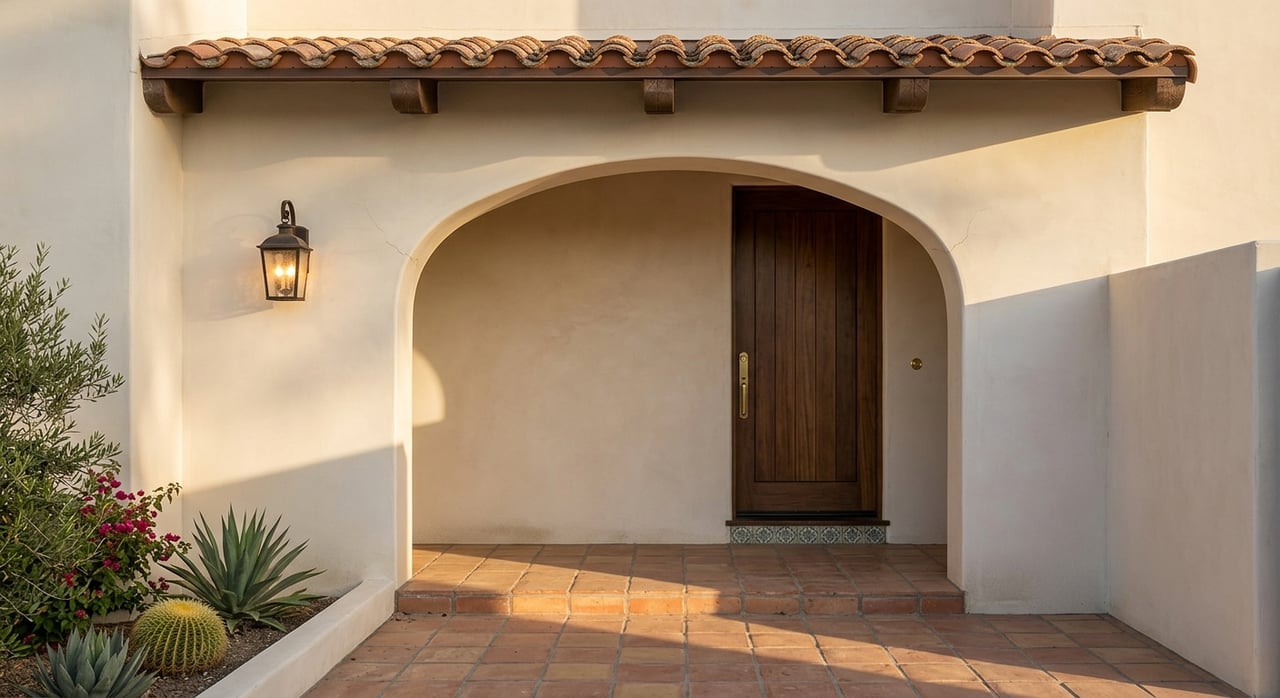
The most recognizable look in La Quinta’s resort communities is the broad family of Spanish Colonial Revival, Spanish Hacienda, and Mediterranean-inspired design. These styles are closely tied to the historic identity of the area and continue to shape many homes, clubhouses, and villas today.
The clearest anchor is La Quinta Resort & Club’s historic preservation story, which highlights the property’s Spanish Colonial Revival heritage. Nearby resort environments echo that language with stucco finishes, red tile roofs, archways, courtyards, and warm, earthy palettes.
In La Quinta, Spanish and Mediterranean design is not one exact formula. You may see:
Some homes lean more historic and romantic. Others take the same palette and exterior cues but pair them with updated kitchens, larger primary suites, and more open living spaces.
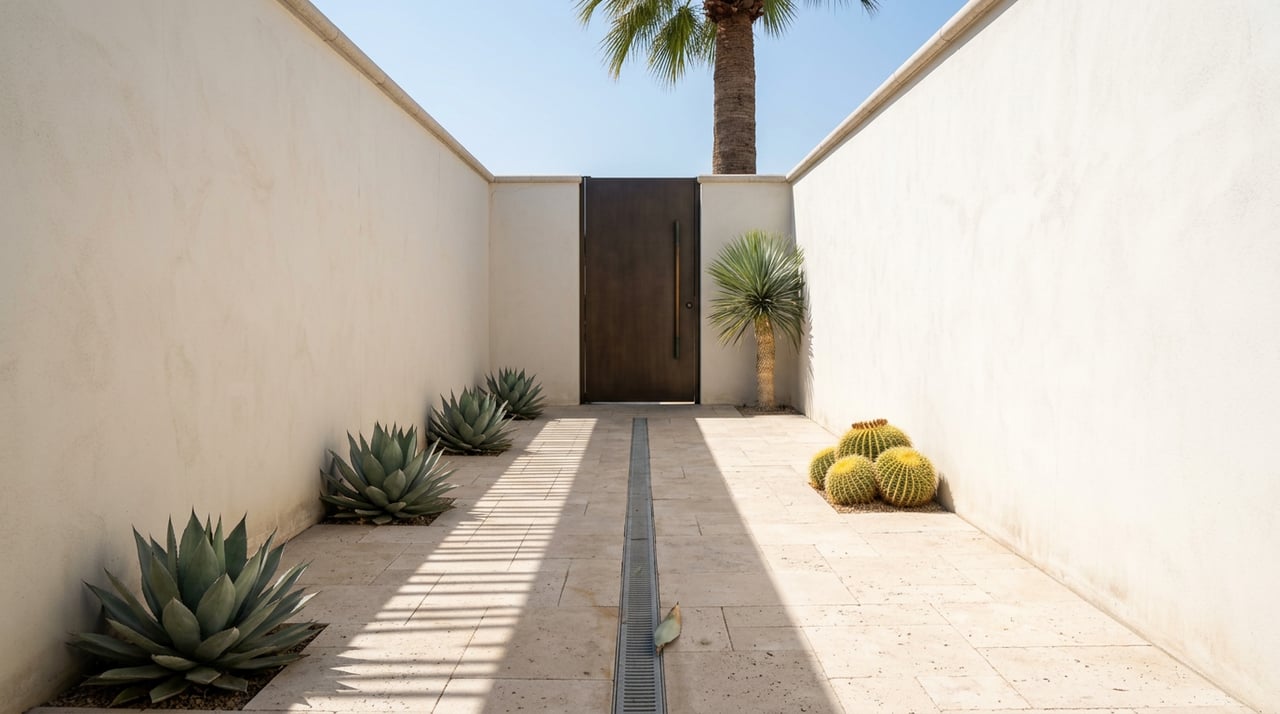
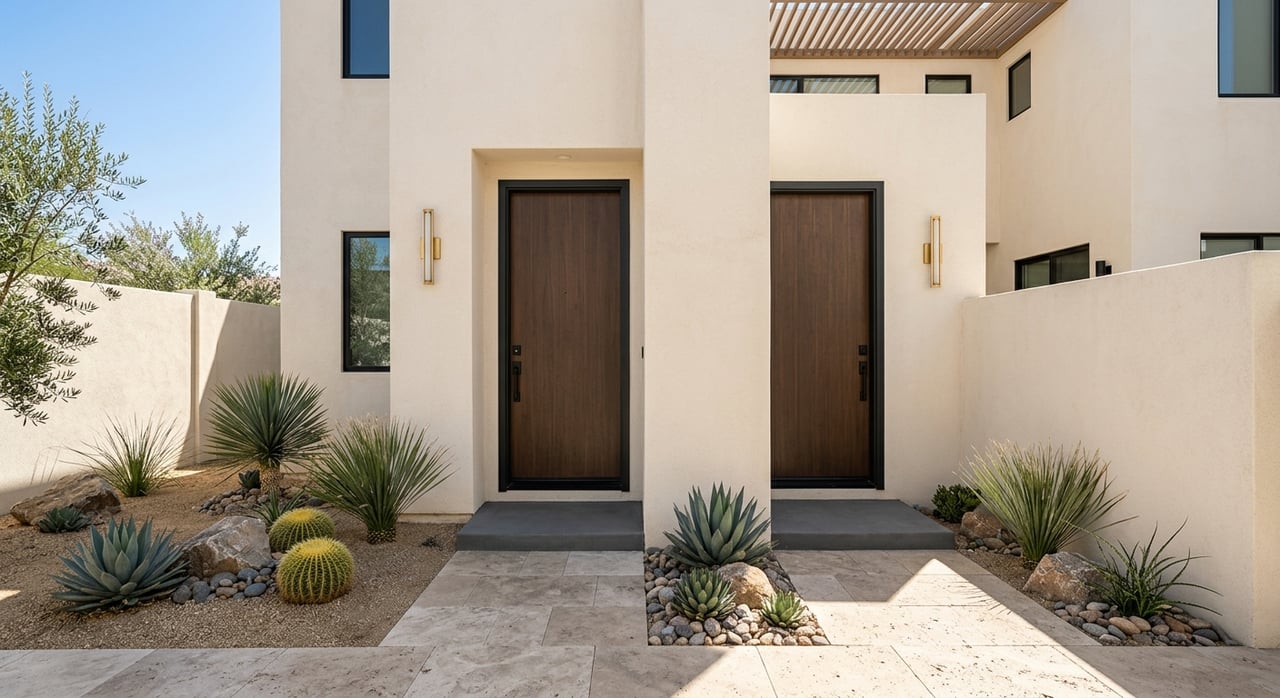
Spanish Colonial Revival and Mediterranean homes often feel more inward-facing than modern designs. Instead of relying only on big glass walls, they tend to create privacy through courtyards, arcades, patios, and sheltered outdoor spaces.
That layout can be especially appealing if you want a softer transition between indoor and outdoor living. It also fits buyers who value a classic resort feel over a sleek, highly minimal look.
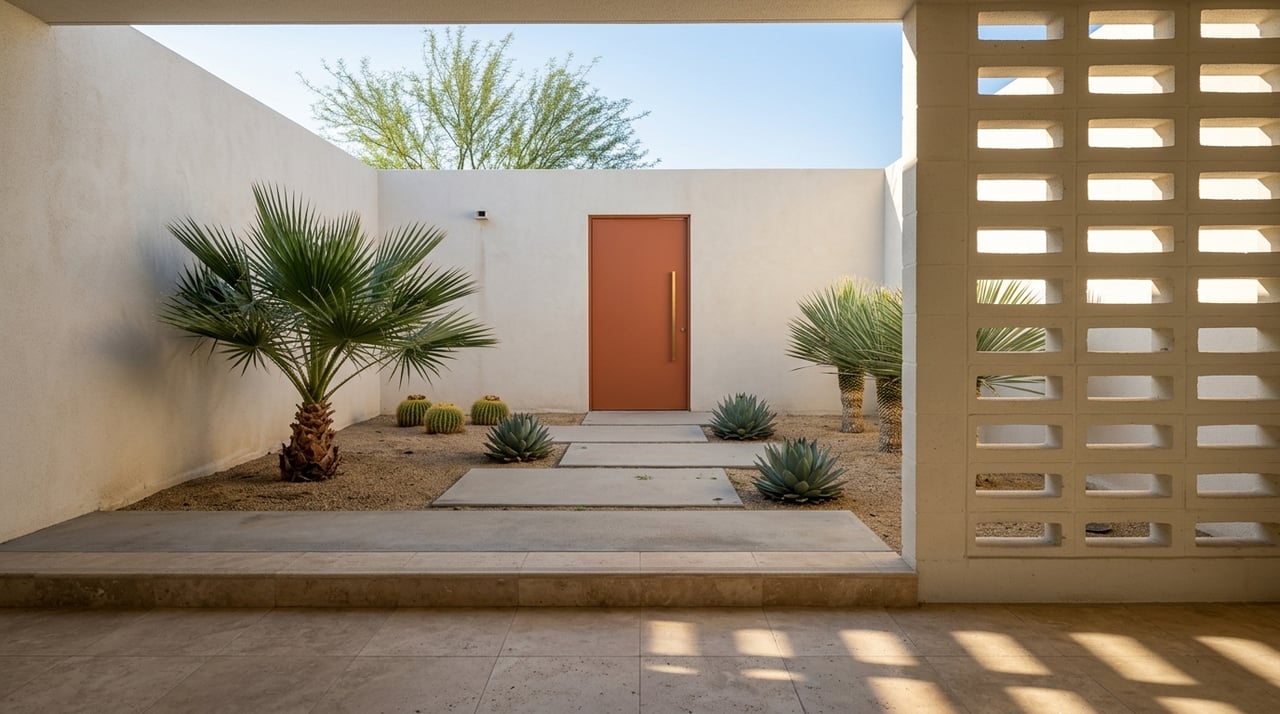
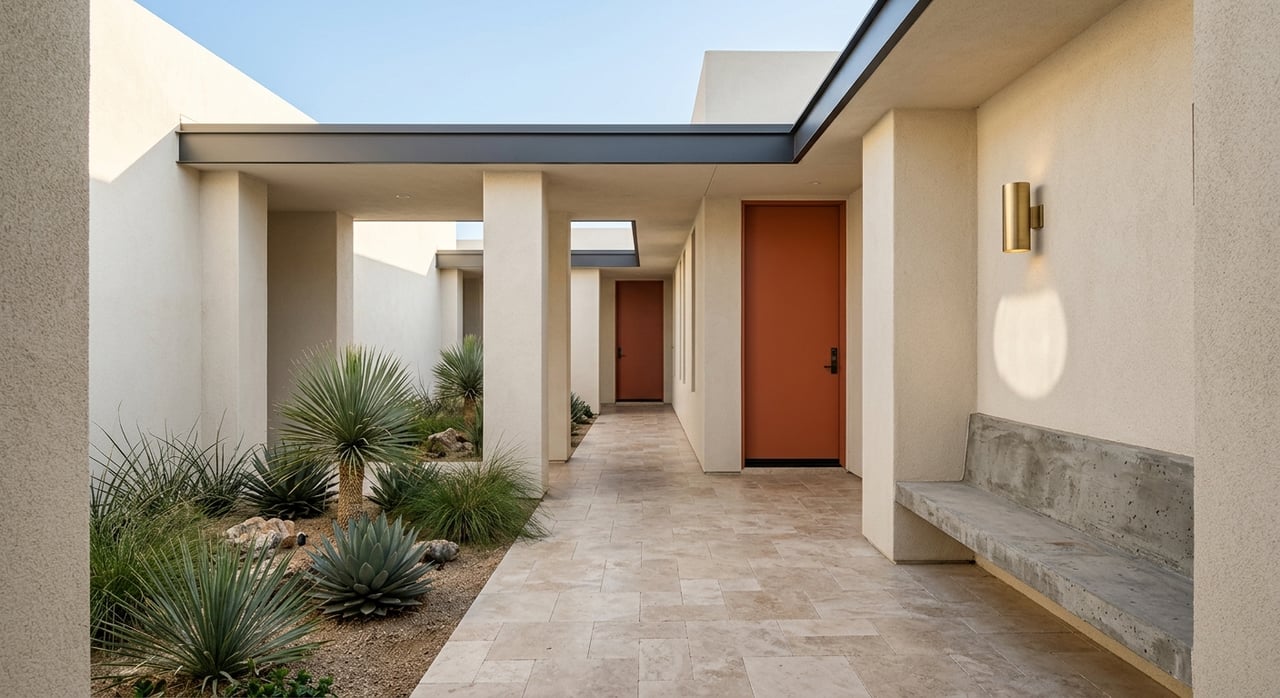
If you prefer cleaner lines and a stronger connection to light and views, mid-century and desert modern homes may be a better fit. In La Quinta, this style has real local history rather than feeling borrowed from somewhere else.
Modernism Week’s La Quinta Country Club Signature Tour highlights homes spanning from the late 1950s to 2023, with work connected to notable architects including A. Quincy Jones, John Lautner, William F. Cody, Hugh Kaptur, Arthur Elrod, John Walling, Robert Ricciardi, and Lance O’Donnell. That tells you La Quinta has a meaningful modernist design story of its own.
Mid-century and desert modern homes typically feature:
These homes often feel more open and visually expansive than traditional Spanish-style homes. The architecture usually directs your attention outward toward the landscape.
Desert modernism tends to prioritize sightlines, openness, and climate response. Instead of enclosed courtyards and decorative detailing, you are more likely to find a simpler floor plan with spaces that flow directly to patios, terraces, or pool areas.
If you want a home that feels airy, architectural, and closely tied to the desert setting, this style often delivers that experience well. It can be a strong fit for buyers who care about design pedigree and a more streamlined aesthetic.
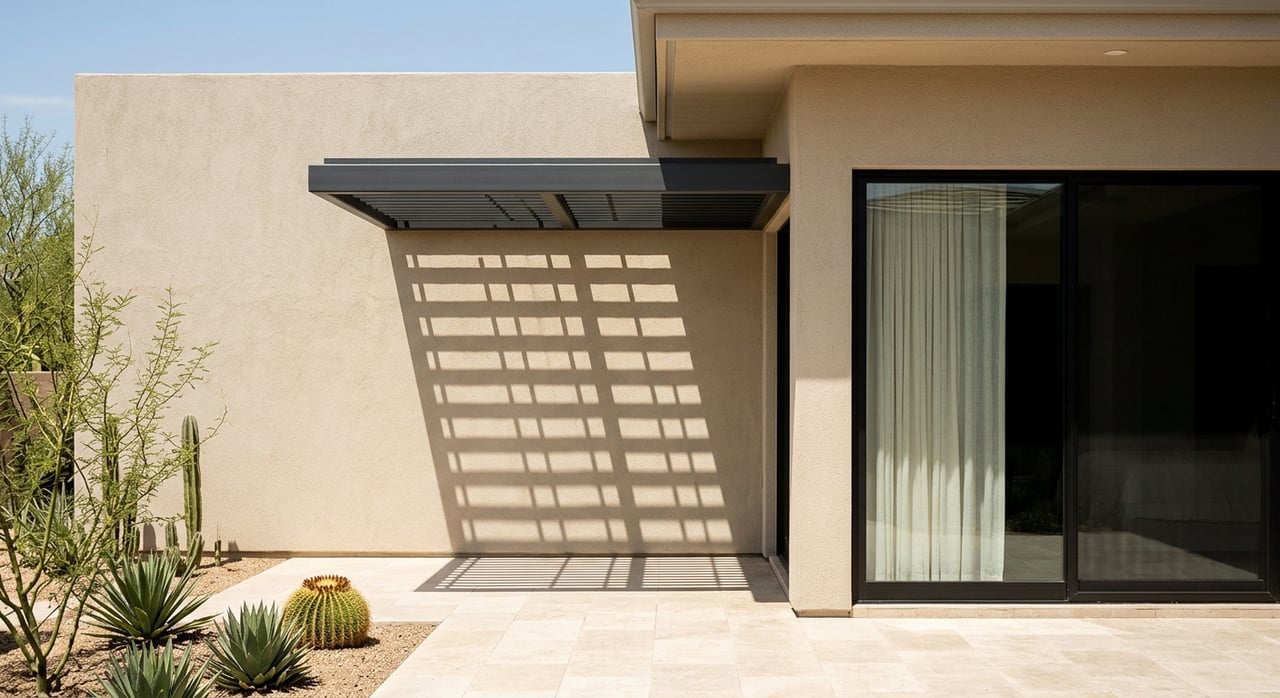
At the newer end of the market, contemporary desert design builds on modern principles but pushes them further. These homes usually reduce ornament even more and put a bigger emphasis on glass, sculptural form, and outdoor entertaining.
Projects like the Madison Club by BAR Architects show this direction clearly. The design approach includes steel-sash French doors, courtyards, gardens, and interior spaces that open easily to outdoor areas. The research also points to Madison Desert Club as an example of large glass openings, shaded canopies, open-air walkways, and gathering spaces designed around indoor-outdoor living.
Contemporary desert homes in La Quinta often include:
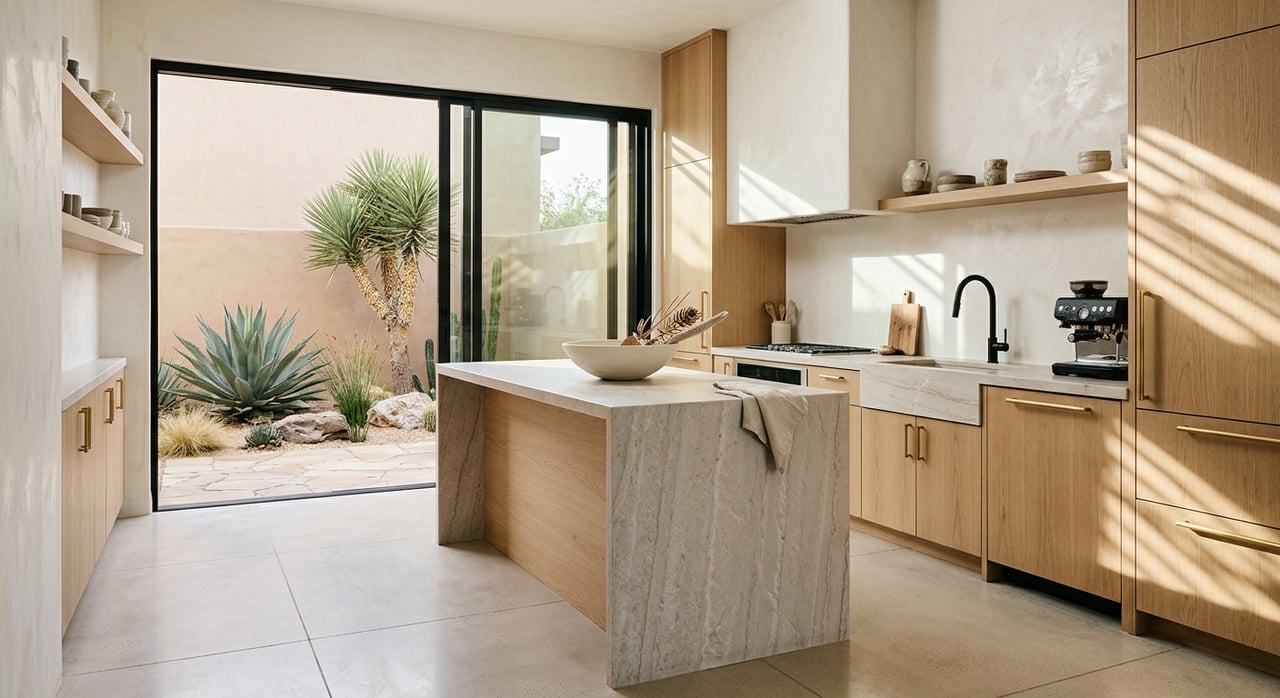
This style usually feels more current and less decorative. It is often designed around entertaining, flexibility, and visual connection to the outdoors.
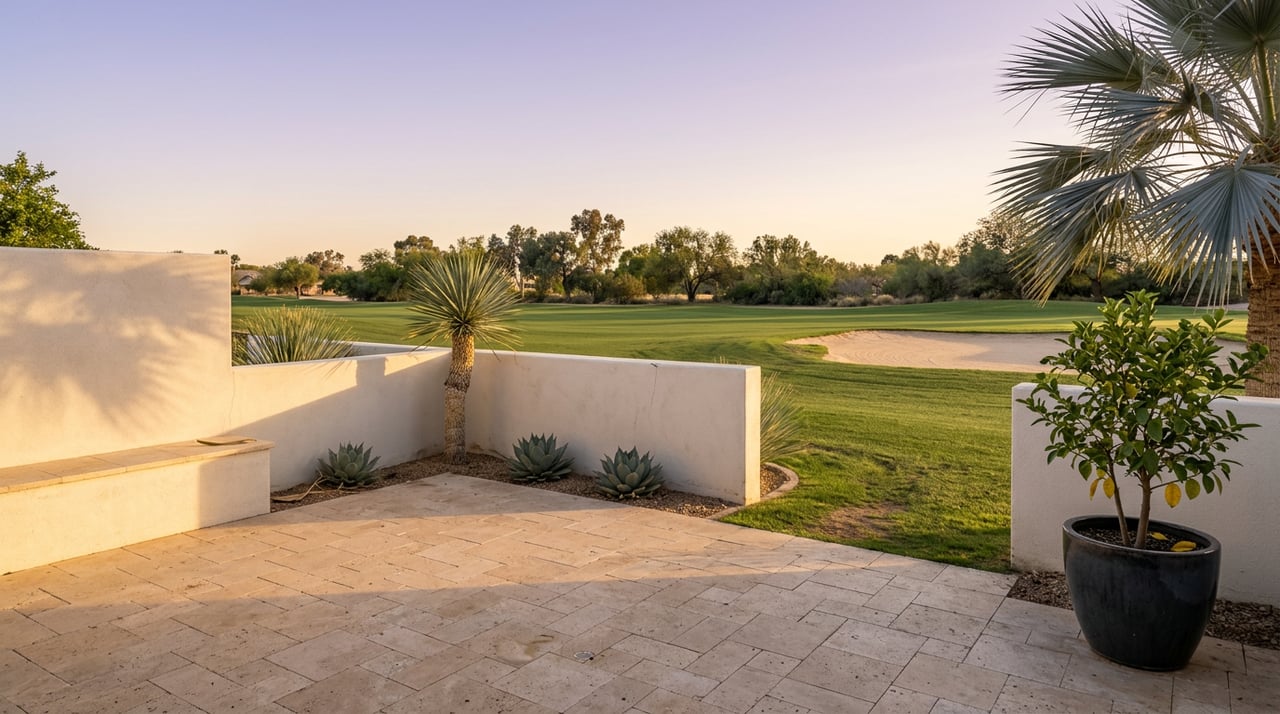
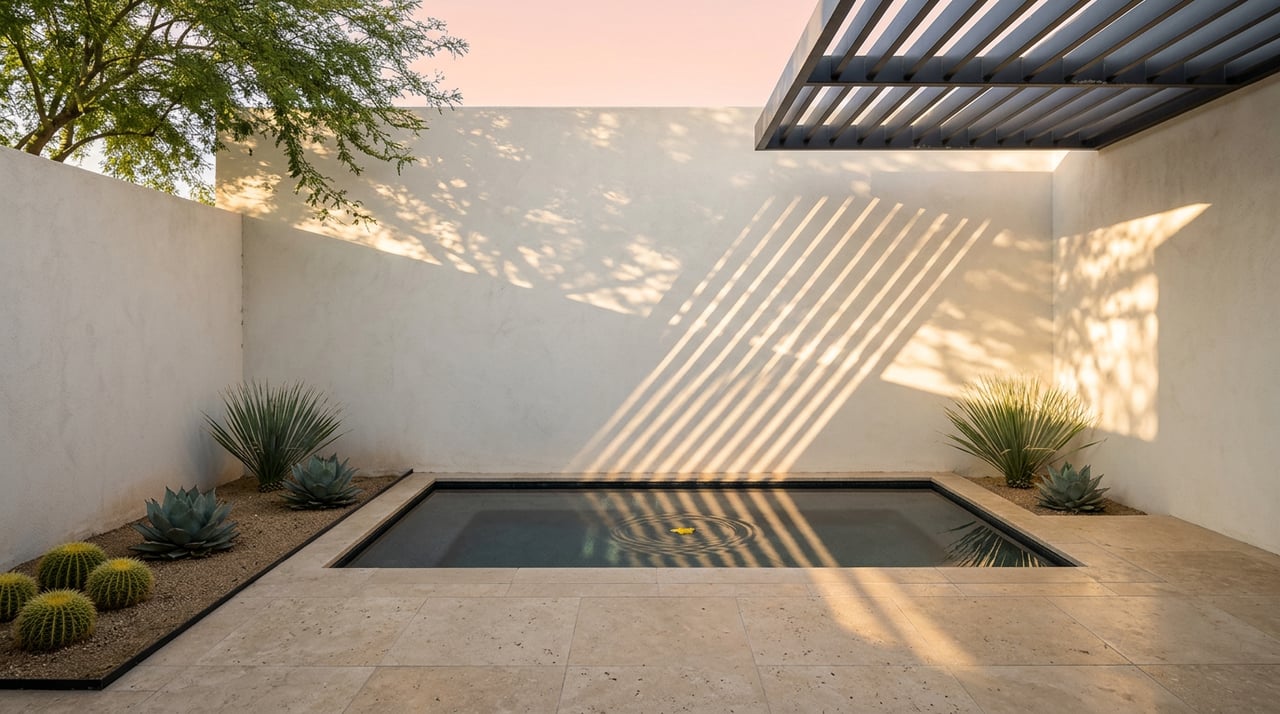
Contemporary desert homes are often ideal if you want openness without giving up climate-conscious design. Shade structures, walkways, and courtyards still matter, but they are handled with a more minimal architectural language.
For many second-home buyers, this style checks several boxes at once. It feels modern, photo-ready, and easy to enjoy for seasonal living or hosting guests.
Not every buyer in La Quinta wants a large custom home. In many resort communities, villas and casitas offer a different ownership model that may be just as attractive, especially if you plan to use the property seasonally.
According to La Quinta Resort accommodations, casitas and villas can include private patios, fireplaces, hot tubs in some layouts, and in some cases kitchens with separate living and dining spaces. The research also notes that PGA WEST’s Residence Club is geared toward buyers who want ownership without year-round upkeep, while Rancho La Quinta includes a mix of single-family homes, detached courtyard homes, and casitas.
In La Quinta, a golf villa or casita is often more of a housing type than a strict architecture style. The exterior design may lean Spanish, Mediterranean, or contemporary depending on the community. What stays consistent is the lifestyle.
These homes are often designed for convenience, easier maintenance, and resort-style use. If your goal is a lock-and-leave property with outdoor space and shared amenities, this category deserves a close look.
The best architecture style for you depends on how you want the home to function. A beautiful exterior matters, but your day-to-day experience matters more.
Here is a simple way to think about it:
| Style | Often Best For | Common Design Strengths |
|---|---|---|
| Spanish Colonial / Mediterranean | Buyers who want classic resort character and privacy | Courtyards, arches, patios, softer indoor-outdoor transition |
| Mid-century / Desert Modern | Buyers who value clean lines, light, and views | Horizontal forms, open sightlines, stronger landscape connection |
| Contemporary Desert | Buyers who want a newer, modern feel | Large glass openings, shade structures, entertaining-focused layouts |
| Villas / Casitas | Buyers seeking seasonal use or easier ownership | Compact footprints, patios, resort lifestyle, lower upkeep |
If you are planning to spend long stretches in the home, you may prioritize privacy, room separation, and outdoor comfort. If you are buying a second home, easy maintenance and lock-and-leave convenience may matter more.
La Quinta’s climate influences ownership in a very practical way. With warm temperatures and very little rainfall, sun exposure, shade structures, exterior finishes, and landscape upkeep all play an outsized role. The city’s climate profile helps explain why these design choices matter so much in the first place, as noted in the City of La Quinta history page.
Community standards can also affect both maintenance and resale. The research notes that Rancho La Quinta uses architectural review and exterior controls to preserve the community’s look and support property values, while shared-maintenance models in some resort settings can appeal to second-home owners who do not want year-round responsibilities.
For resale, buyers in this segment are often responding to a clear lifestyle story. A home that strongly matches its community’s design identity can have an advantage because it delivers the experience buyers expect when they shop La Quinta resort real estate.
When you tour homes in La Quinta, it helps to look beyond staging and finishes. Try to focus on the underlying design decisions that shape daily comfort.
Ask yourself:
Those questions can quickly narrow your options. They also help you compare homes more clearly across different resort communities.
In a place like La Quinta, architecture, lifestyle, and community identity are closely connected. Two homes with similar square footage can feel completely different depending on whether they are Spanish Colonial, mid-century, contemporary desert, or villa-style properties.
That is where local, neighborhood-level guidance can make a real difference. If you want help comparing resort communities, understanding how architectural style affects daily use, or identifying the best fit for your goals, Andrew Shouse can help you search with more clarity and confidence.
Stay up to date on the latest real estate trends.