Living Full Time in La Quinta Through Every Season
July 16, 2026
July 16, 2026
Wondering what it’s actually like to live in La Quinta full-time, not just visit for a long weekend? That’s an important question if you’re thinking about making a move, because year-round life here has a very different rhythm than a vacation snapshot. When you understand the seasons, daily routines, and local amenities, you can picture whether La Quinta fits the way you want to live. Let’s dive in.
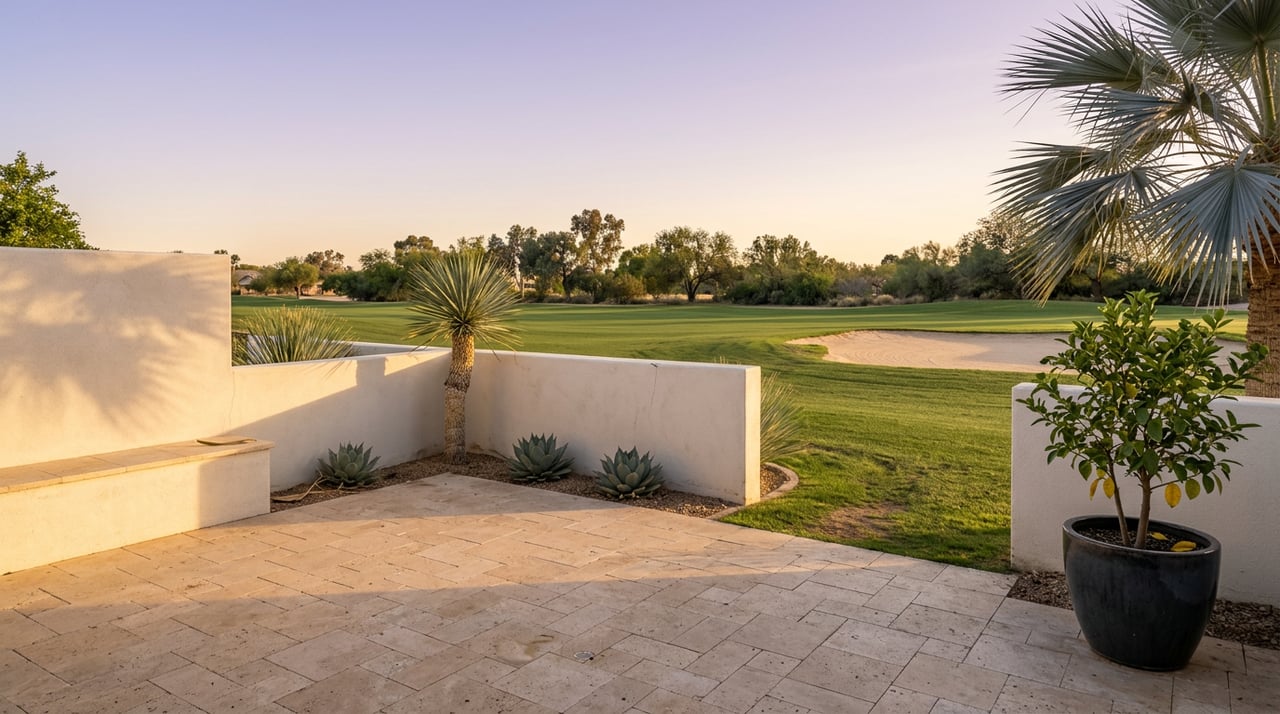
La Quinta sits on the floor of the Coachella Valley near the Santa Rosa Mountains, and that setting shapes daily life in a big way. You get mountain views, desert scenery, and a lifestyle that changes with the weather instead of staying the same all year.
This is not just a visitor town. The city’s estimated population was 39,440 as of July 1, 2025, with a 75.7% owner-occupied housing rate, which points to a strong residential base alongside a noticeable seasonal population.
That balance is part of what full-time living here feels like. You are in a place with resort appeal, but you are also in a city where people keep routines, use local services, and build daily life around the climate.
Winter is when many people find La Quinta the most comfortable for outdoor living. Nearby NOAA climate normals show average highs and lows of 69.2/46.2°F in December, 70.5/47.6°F in January, and 73.7/49.7°F in February.
In practical terms, this is patio season in the best sense. It is the time of year when you are most likely to enjoy outdoor meals, browse Old Town, and spend more time on foot without planning your day around the heat.
The city calendar reflects that energy. Winter and early spring bring recurring community programming, Art on Main Street in Old Town, and the Sunday Certified Farmers Market, which runs from October through May.
If you live in La Quinta full-time, winter often feels active and connected. The seasonal population is more visible, events pick up, and many routines naturally shift outdoors.
For many full-time residents, spring is the season that best shows off what La Quinta has to offer. Average temperatures rise to 80.6/54.4°F in March and 86.7/59.1°F in April, which is often ideal for golf, hiking, and outdoor dining.
This is also when the city hosts some of its bigger public events. The twice-yearly La Quinta Art Celebration at the Civic Center Campus and the city’s late-April birthday celebration help make spring feel lively without the intensity of peak summer weather.
If you enjoy being out and about, spring can feel like the easiest season to settle into a routine. You can plan a trail morning, meet friends for lunch on a patio, or spend time in public spaces without much weather-related adjustment.
Summer in La Quinta is real desert summer, and full-time residents adjust accordingly. NOAA normals rise from 94.7/65.9°F in May to 108.6/79.4°F in July and 108.1/79.8°F in August, and the area averages about 114.8 days at or above 100°F each year.
That does not mean life stops. It means your schedule changes.
People who live here year-round often structure errands, walks, and exercise around early mornings or evenings. Midday becomes more about shade, air conditioning, pools, and indoor spaces than long outdoor stretches.
This is one of the biggest differences between visiting La Quinta and living here full-time. Residents learn to treat summer as a season that rewards planning, not a season to fight against.
La Quinta’s dining scene supports that adjustment well. The city’s tourism information notes that restaurants range from fast food to fine dining, with patio dining as a common feature, and many outdoor spaces use umbrellas and misters in hot weather.
By October, average temperatures ease to 91.1/64.5°F, and by November they drop to 78.7/53.4°F. After summer, that shift can make the city feel open-air friendly again.
Fall is when many residents start returning to longer walks, neighborhood browsing, and more relaxed outdoor plans. The Sunday Farmers Market in Old Town resumes during this stretch, and patio dining becomes more comfortable again.
For full-time living, fall often feels like a reset. The city becomes easier to experience outdoors, and routines expand beyond the summer pattern of early starts and indoor midday breaks.
One reason La Quinta appeals to full-time residents is that outdoor access is built into the city experience. The city highlights several miles of biking and hiking trails, along with 16 parks and 25 golf courses.
That gives you options beyond one central district. Depending on your routine, you may spend time on trails, in neighborhood parks, at the Sports Complex, or in other recreation spaces spread throughout the city.
The city’s hiking information also emphasizes preserved natural beauty and mountain views. At the same time, habitat protections across the Coachella Valley mean designated trails and wildlife boundaries matter, which is part of living responsibly in a desert environment.
X Park includes a pump track and skate park, while the Sports Complex has ball fields. Parks such as Velasco and Seasons add more playground and dog-park options, which helps make recreation feel distributed and convenient rather than limited to one area.
A lot of people first picture La Quinta through its golf and resort image, but full-time living has more layers than that. Resident life also includes places like the La Quinta Museum, the Library, Creation Station, public art, and smaller city programming.
The city notes there are more than 160 permanent public art displays, and local calendars include events such as book clubs and library game nights. That matters because it shows a community with everyday cultural life, not just destination appeal.
Old Town also plays a steady role in the local feel. The city history page describes Old Town Village as a place with boutique shops and restaurants, giving residents an area that feels walkable and social during the most comfortable parts of the year.
La Quinta has a large seasonal population of snow birds, and you can feel that rhythm as the year changes. Winter and early spring tend to be busier and more social, while summer usually feels quieter.
That does not make the city purely seasonal. The Census profile suggests a settled community, with a strong owner-occupied share and a sizable older adult population, including 31.6% of residents age 65 and over.
For you as a full-time resident, this means La Quinta can feel different from month to month. Some people love that change because it brings variety, while others appreciate that the city still has a stable residential core underneath it.
If you live in La Quinta year-round, life is usually best understood as climate-managed desert living. You are not doing the same things the same way in July that you would do in February.
The payoff is that you get distinct seasons without the snow-and-ice version of seasonal living. Winter and spring are especially friendly for patios, trails, events, and time outside, while summer invites a more disciplined daily rhythm.
That pattern becomes normal faster than many buyers expect. Once you build routines around the weather, La Quinta often feels less like a getaway and more like a place that supports a steady, enjoyable lifestyle.
La Quinta can be a strong fit if you like sunshine, mountain views, outdoor access, and a lifestyle that changes with the desert seasons. It may also appeal to you if you want a city with a real residential base, local events, and amenities spread across the community.
The biggest adjustment is climate. If you are comfortable planning around summer heat and taking advantage of the city’s best outdoor months in fall, winter, and spring, full-time living here can feel both practical and rewarding.
If you’re thinking about buying in La Quinta, the most helpful next step is to look beyond listing photos and ask what daily life will feel like in every season. That local perspective is where working with an experienced neighborhood-focused agent can make a real difference.
If you want help comparing La Quinta neighborhoods or figuring out which homes fit your year-round lifestyle goals, connect with Andrew Shouse for local guidance backed by deep Coachella Valley experience.
Stay up to date on the latest real estate trends.